




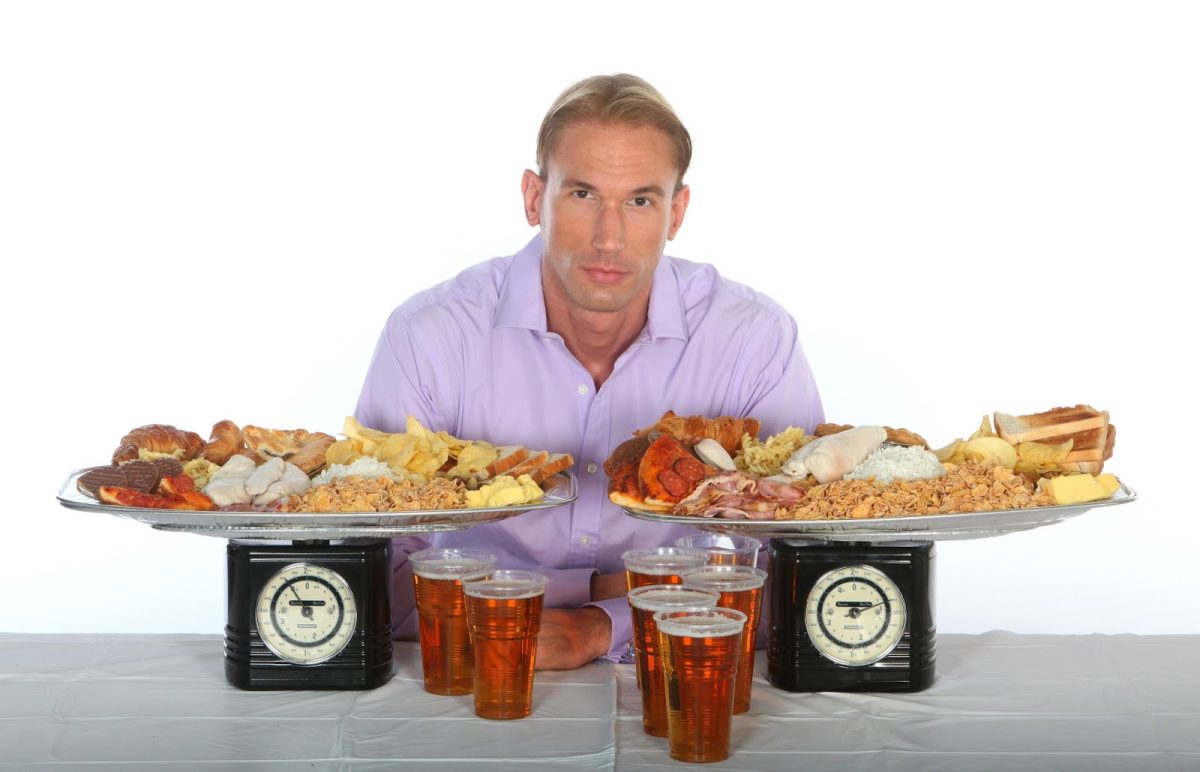


















The 2000’s British reality TV show ‘Supersize Vs. Superskinny’ is widely regarded as the holy grail of anorexic teenage girls or hate-watching drama-loving adults. While widely regarded as one of the worst perpetrators of the 2000’s diet culture craze, revisiting the show again as a (now) non-anorexic teenage girl, I think the show has some benefits.
Each episode of Supersize vs. Superskinny follows the same pattern. The aptly named ‘Feeding Clinic’ accepts two new residents, one underweight and one obese, to swap diets for a period of time under the supervision of Dr. Christian Jessen, the show’s host. The ‘Diet Swap’ forces each contestant to own up to their (often) appalling eating habits and work toward making changes in their lives. The show’s focus was mostly on fighting the obesity crisis rising in Britain at the time, but considering America’s exponentially increasing obesity epidemic, I think the show might need to make a comeback.
While Supersize vs. Superskinny may struggle to find the latter in a country with nearly ¾ of its population overweight, rebooting the show may bring shocking benefits to the people of America. The United States already has an obesity problem; we know this. Looking around your local grocery store and you will find obese people unable to walk on their own shopping in aisles filled with unhealthy, calorie-dense foods. Most people have an obese person in their close or extended family, or even a friend that eats a little bit more and exercises a little bit less than they should. Obesity kills almost 300,000 people in the United States each year, diabetes cases have increased 20% in the past 10 years, and the average American consumes almost double the amount of added sugar per day than recommended.
At my nearest grocery store, there is an entire wall of freezers dedicated to just ice cream; nothing else. America’s obesity epidemic isn’t caused by laziness or a lack of self-discipline among citizens. It’s perpetuated by a culture that thinks binge eating disorders are simply a result of hormone shifts, that children need excess amounts of unhealthy food because they’re “growin’ boys,” and that downing an entire day’s worth of calories in beer on Saturday night is normal partying. We’re surrounded by sedentary jobs, sedentary activities, and calorie-dense foods that make staying mindful about your health feel impossible.
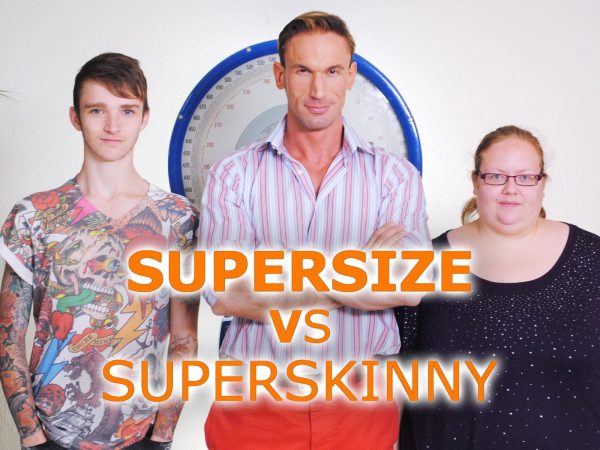
While the Diet Swap is the main component of Supersize vs. Superskinny, the show has featured several additional programs inside their episodes. From documenting sufferers of anorexia to investigating the obesity crisis in Las Vegas, Supersize vs. Superskinny covers a wide array of eating and body issues facing the world today through miniature documentary series sprinkled through their episodes. They interview professionals, talk to sufferers, and question the long-term effects of obesity and anorexia on economics, politics, and communities. The show doesn’t just ridicule fat people for being fat or skinny people for being skinny, it investigates real-world issues and offers advice and solutions to people struggling, whether they are overweight, have body dysmorphia, or are suffering from an eating disorder.
However, that is not to say the premise of the show doesn’t have some issues. Despite the focus on the dangerous effects of over and under eating, the ideas of ‘good’ and ‘bad’ foods that the show focuses on may encourage viewers to become nervous about eating foods they deem ‘unhealthy’ (Thus its reputation as the holy grail of anorexic teenage girls). Having a ‘sweet treat’ once in a while won’t hurt the average person, but when dealing with Binge Eating Disorder, even glancing at a cupcake the wrong way can set off months worth of binging. Thus, a remake of this show should emphasize that healthy eating looks different for everyone, as no two people share the same mind and therefore food struggles. Despite the show’s purpose being to encourage both ends of the scale to even out a little more, the exaggerated camera shots and narration can often come off as rude or pushy. If not taken with a grain of salt, the show can cause eating and body image issues for viewers.
When Americans are surrounded by fast food joints on every corner and walls of ice cream, it can feel impossible to try and make changes and healthy choices without veering too far into the other realm of disordered eating. It can be easy to have a black and white mindset toward eating, either you eat all the cake, cookies, and soda, or none of it. The only two options at dinner are a cake or a salad. Many Americans view losing weight or dieting as ‘negative,’ as some movements such as fat acceptance or body positivity have placed an emphasis on “healthy at every size,” which can perpetuate the idea that being overweight is healthy and trying to lose weight is disordered. While the prevalence of eating disorder awareness has increased alongside making women more confident in their bodies, spreading misinformation about weight in accordance with health can be dangerous, especially in a society where people are already desensitized to the dangers of obesity.
Despite the positive implications of these movements, the public needs to make a decision. Is fat acceptance needed when 75% of our population is overweight already? When people are dying from complications of obesity every day, is it really possible to be healthy at every size? While an extra 10 pounds might not hurt someone, working towards the healthiest version of yourself inside and out should always be one’s priority. Trying to lose weight, eat healthier, or be more active should never concern someone’s family or friends. Instead of being discouraged from losing weight in fear of looking ‘anorexic,’ our society should be more accepting of movement and healthy eating as part of our culture. Taking a walk after a meal instead of having dessert, for example, is an easy way to avoid overeating while getting some daily movement in. When the public deems weight loss as unnecessary or disordered, it can discourage people from trying to lose weight in a healthy way, which most of our population needs. When a Frappuccino can reach upwards of 700 calories, we need to rethink our culture’s ideas about what proper, mindful eating means. And Supersize vs. Superskinny could help us.
Simply telling an obese person to eat healthier or lose some weight doesn’t make a difference. What does make a difference, however, is showing them the real, dangerous health problems that can occur from being overweight or obese and then giving them real solutions they can implement easily. Many people underestimate the health effects of being overweight, and overestimate how difficult it is to be healthier. And this mindset is exactly what a show like Supersize vs Superskinny can fix in our population. Losing weight doesn’t have to be hard, I’ve lost 20 pounds myself in the past couple months. The real issue is the amount of misinformation; from fad diets to extreme exercise regimens, alongside the normalization of health defects caused by obesity, our culture perpetuates unhealthy eating on both sides of the scale. Supersize vs. Superskinny offered facts, even when they scared viewers. It also offered real advice and techniques to help not only its contestants but its viewers to change their habits and take control of their health. Although a relic of its time nowadays, Supersize vs. Superskinny making a comeback may make a small impact on the overall health of our country, which, growing wider, needs.